















Turkish Chef Bridges Cultures Through Japanese Cuisine

Turkish Chef Bridges Cultures Through Japanese Cuisine
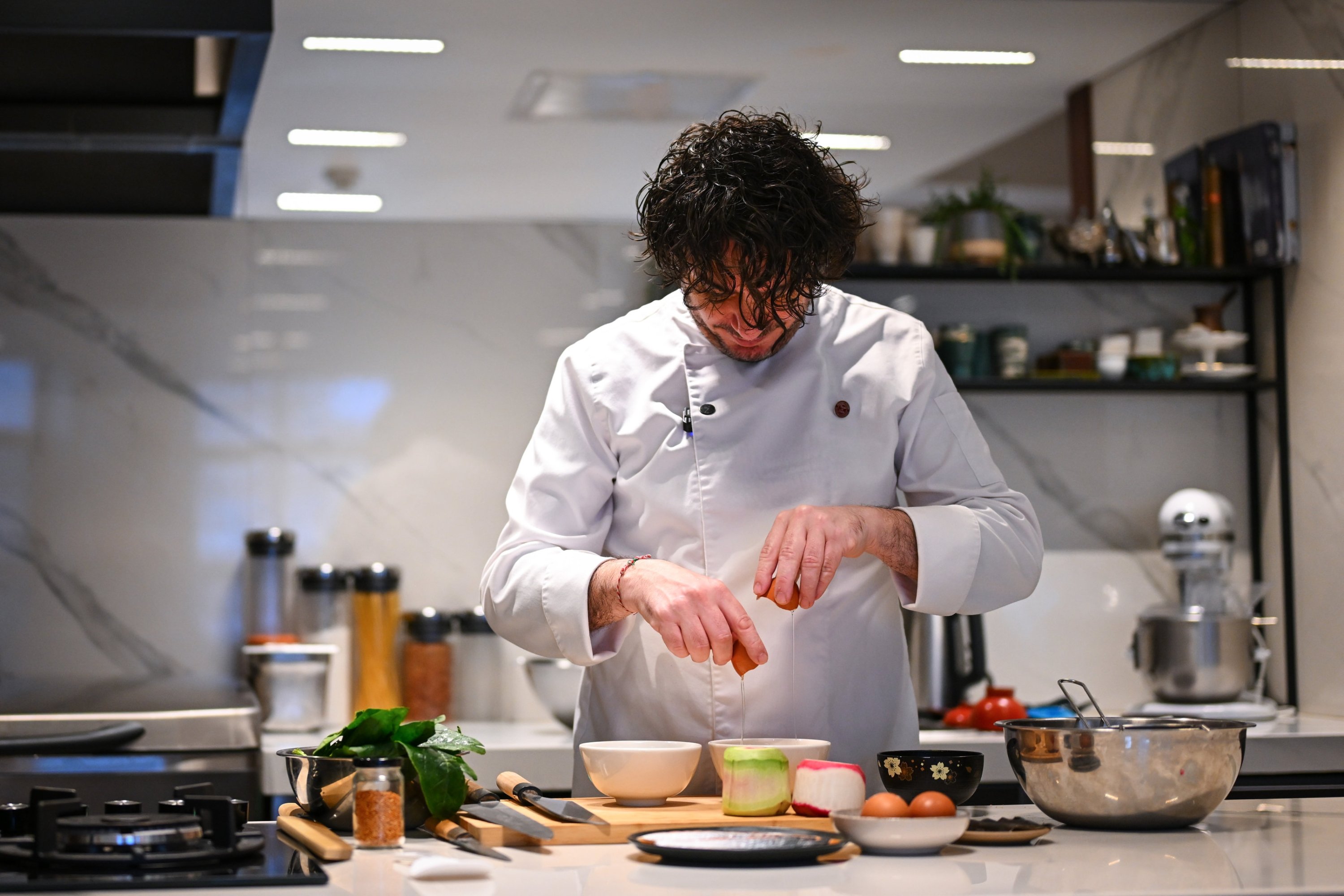
Sinan Damgacıoğlu, the first Turkish chef appointed as a "Goodwill Ambassador of Japanese Cuisine" by Japan's Ministry of Agriculture, Forestry and Fisheries, is bringing authentic Japanese culinary traditions to Istanbul. He trains young chefs in traditional techniques while introducing diners to meticulously crafted Japanese dishes.
At a cooking workshop in Karaköy, Damgacıoğlu prepared ichiju sansai, a classic Japanese breakfast featuring salted grilled salmon (shiozake), Japanese omelet (tamagoyaki), sesame spinach (horenso no goma-ae), miso soup with seaweed (wakame), steamed rice, and pickles. Using traditional knives, cookware, and ceramic bowls, he demonstrated exceptional attention to detail in both preparation and presentation.
"He emphasizes the Japanese master-apprentice tradition, noting that even perfecting rice requires patience."
Damgacıoğlu joined a Japanese government program in 2016, training non-Japanese chefs in authentic culinary techniques. After studying in Tokyo as a "Silver Chef," he co-founded a culinary academy in Türkiye with fellow graduate Didem Yalçınkaya and Japanese master chef Shunichi Horikoshi, bringing the Japanese culinary program to the country. To date, they have trained 31 chefs.
Japanese cuisine follows the ichiju sansai formula—one soup, three side dishes, a main course, usually with rice and pickles —creating a balanced and visually appealing meal at every breakfast, lunch, and dinner.
Damgacıoğlu also highlights Japanese dining etiquette, the cultural importance of chopsticks, and the deliberate, slow eating style , contrasting it with Turkish dining habits. He stresses that Japanese cuisine is recognized globally for its low-fat techniques, layered flavors, and health-conscious preparation, blending centuries of Chinese, Japanese, and Western influences.
Focusing on fusion and authenticity, Damgacıoğlu blends Japanese cuisine with Turkish flavors, offering dishes adapted to local tastes while maintaining respect for tradition. He also introduces Japanese food gradually to newcomers, helping diners appreciate authentic flavors and textures.
 Classic Japanese Breakfast Components
- Shiozake: Salted grilled salmon
- Tamagoyaki: Japanese omelet
- Horenso no goma-ae: Sesame spinach
- Miso soup: With wakame seaweed
- Steamed rice
- Pickles
Ichiju Sansai: A traditional Japanese meal structure meaning "one soup, three sides" that ensures nutritional balance and aesthetic presentation.
Preserving authenticity: Damgacıoğlu stresses that while fusion is welcome, the foundational techniques and respect for ingredients must remain true to Japanese tradition.
Culinary academy: Co-founded with Didem Yalçınkaya and Shunichi Horikoshi, the academy brings certified Japanese culinary training to Türkiye, continuing the legacy of the Japanese government program.
"Japanese cuisine is recognized globally for its low-fat techniques, layered flavors, and health-conscious preparation, blending centuries of Chinese, Japanese, and Western influences."
Through his work as a Goodwill Ambassador, Damgacıoğlu continues to bridge Turkish and Japanese cultures, one meticulously prepared dish at a time. His dedication to training the next generation of chefs ensures that authentic Japanese culinary traditions will thrive in Türkiye for years to come.
Publication status: This article is complete and ready for publication. All information is based on the provided text. No placeholders, deletions, or alterations of meaning have been made.


