















1,850-Year-Old Roman Thermal Complex Found in Myra

Unique 1,850-Year-Old Roman Thermal Complex Discovered in the Ancient City of Myra, Antalya
Archaeologists in southern Türkiye have uncovered a unique Roman thermal structure dating back to the 2nd century AD in the ancient city of Myra, located in the Demre district of Antalya. According to experts, the discovery has no known parallels in the region and sheds new light on Roman-era healing practices and water-based architecture.
A Structure Built on Living Water
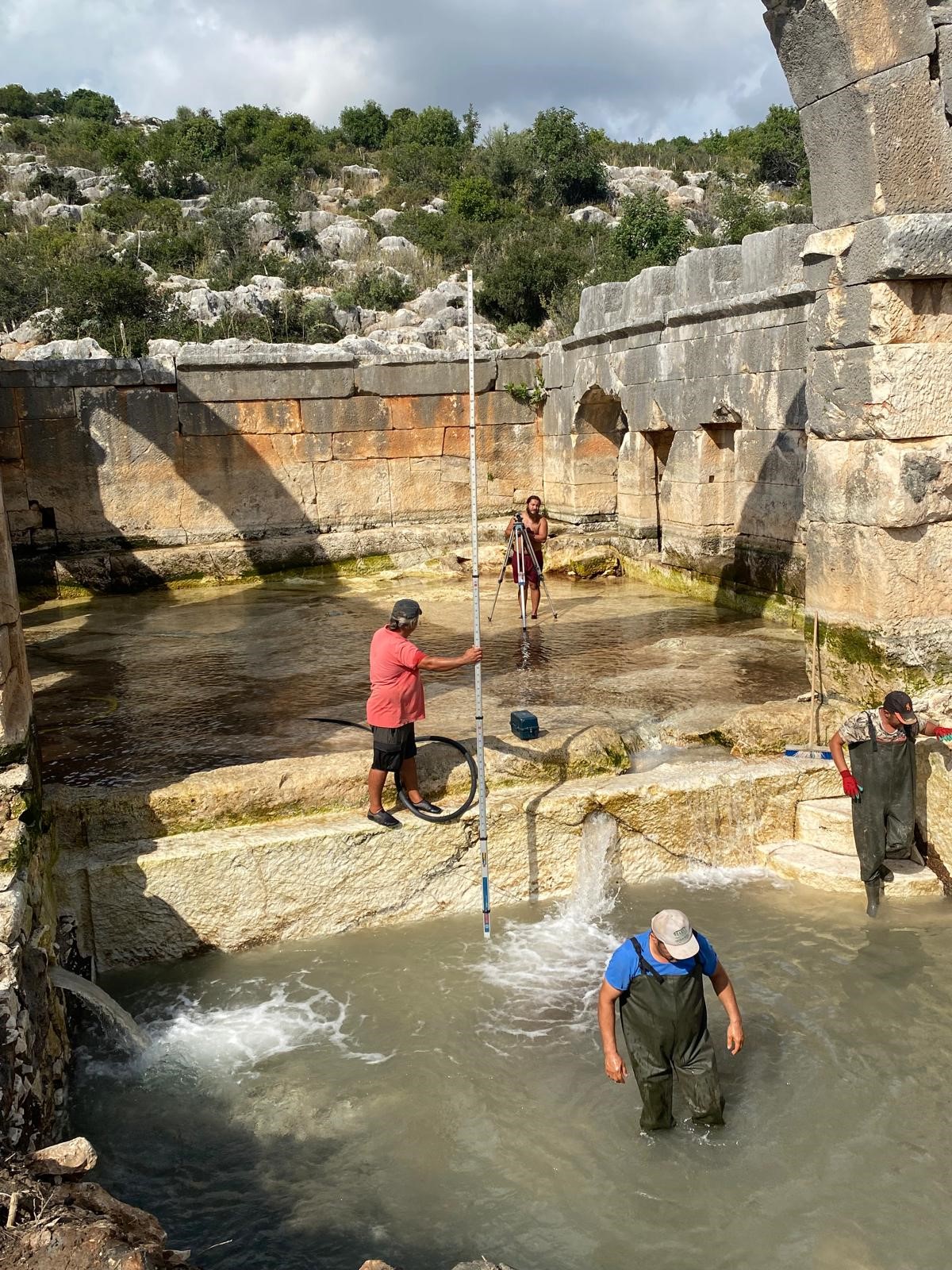
The structure was built directly above an active thermal spring rich in minerals such as magnesium, iron, sulfur, and phosphorus. Excavations are being carried out under challenging conditions, as thermal water continues to rise from the ground, regularly flooding the site.
The water temperature remains stable at around 16.5°C throughout the year, making the pools comfortable even during Demre’s hottest summer months. This discovery also confirms the ancient origins of the Burguch thermal waters, which local residents continue to visit today for their perceived health benefits.
From Initial Discovery to Full Excavation
According to the head of the excavation team, Professor Nevzat Çevik, the site had been known to researchers since 2009 but remained untouched for many years due to nearby industrial facilities. Only in 2025 was the area cleared, allowing archaeologists to begin full-scale excavations as part of the government-led “Heritage for the Future” initiative.
"The structure was long thought to be a nymphaeum, a monumental Roman fountain, but ongoing excavations revealed it to be an entirely original type of thermal healing complex built around a natural spring."
Architectural Features and Findings
So far, researchers have uncovered a complex featuring:
- Two pools — one large and one small — believed to have originally been lined with marble.
- An intricate system of cisterns and water channels.
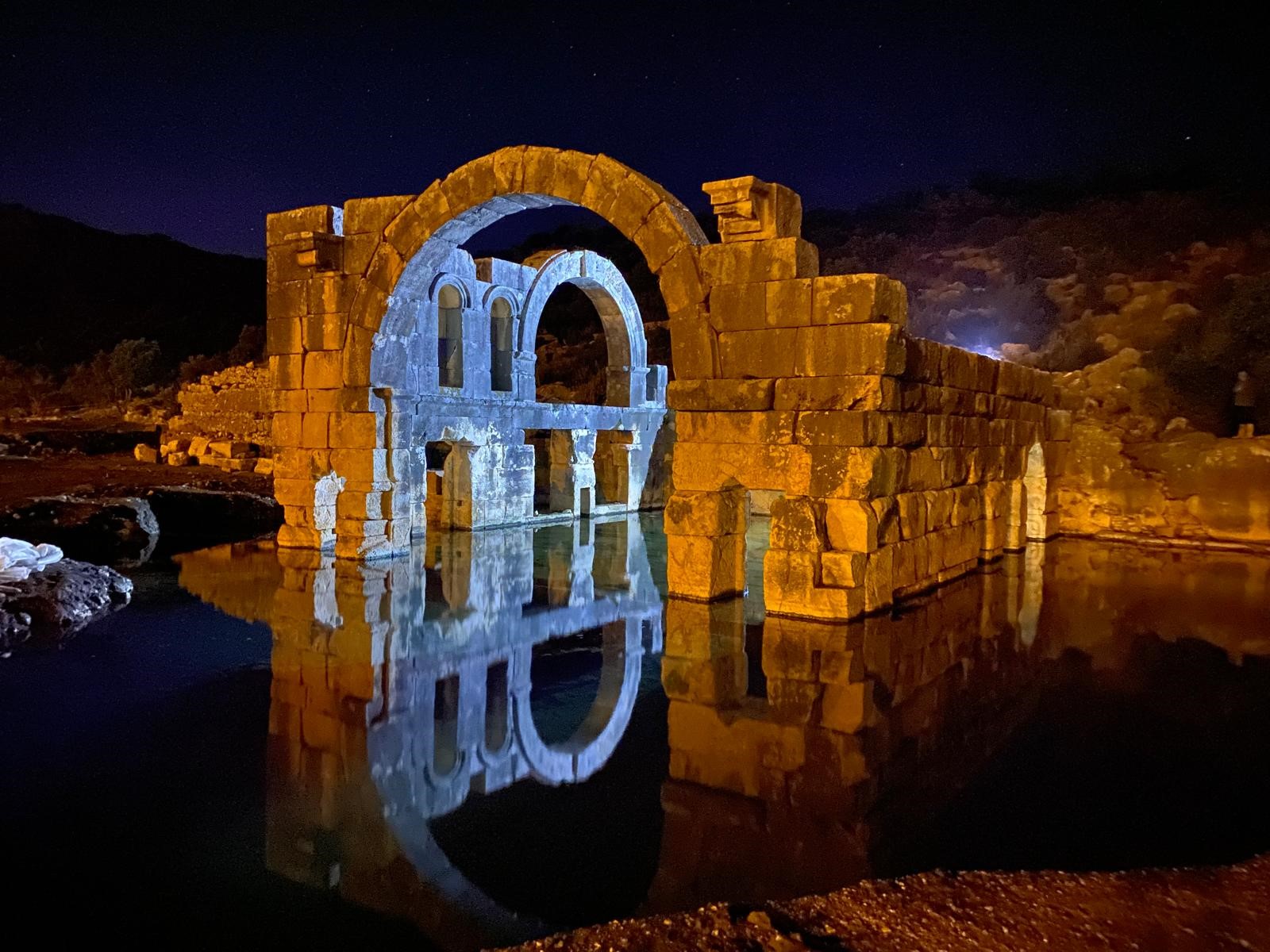
- Structural arches and a series of interconnected spaces.
The site is currently closed to the public due to safety concerns related to fluctuating water levels and ongoing excavation work.
 Future of the Site and Ongoing Research
Once research is completed, the complex is expected to become part of a larger archaeological park integrating:
- The ancient city of Myra.
- The ancient port of Andriake.
- The Museum of Lycian Civilizations.
Excavations are set to continue next year, with additional Roman water-related structures already identified nearby. These findings suggest that the area once served as a major center for thermal bathing and hydraulic engineering in antiquity.


