















Van Cats in Turkey: Breeding, Care, and Unique Features

In the city of Van in eastern Turkey, extensive efforts continue to preserve the unique Van cat breed. At the Van Cat Research and Application Center of Van Yüzüncü Yıl University (YYU), specialists focus on maintaining the original characteristics of this rare breed and increasing the number of kittens with purebred traits.
The center at Van Yüzüncü Yıl University (YYU) has been dedicated to the protection and development of these animals for 34 years. Van cats are considered one of the most important cultural symbols of the region and are under special protection.
Lion-like gait and heterochromatic eyes
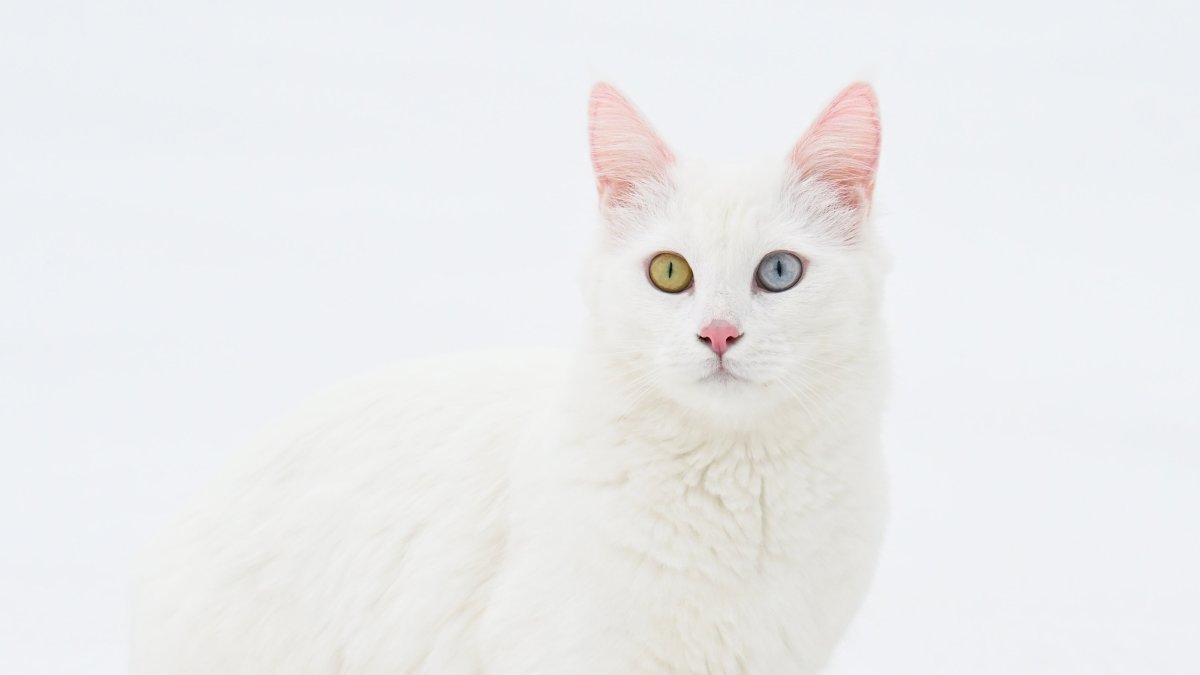
Van cats are known for their majestic "lion-like" gait, fluffy tails, and striking eyes of different colors. It is heterochromia — when one eye is blue and the other amber — that makes this breed particularly recognizable and valuable.
On the university campus is the so-called "Cat Villa", where specialists carry out meticulous breeding work. The main goal is to preserve the most authentic breed traits and increase the number of true Van cats.
120 kittens in a year and preparations for the new season
.jpg)
Last year, 120 kittens were born at the center, 15 of which had heterochromatic eyes. Currently, specialists are preparing for the first kitten-breeding season of 2026.
"After completing last year's kitten-breeding season, we began preparations for the new season. All stages — vaccination, weight gain programs, and pregnancy preparation — are ongoing. Throughout the year, we restore the weight and condition of the animals lost during birth and nursing so they can deliver healthy kittens in the 2026 season," said the center's director, Professor Abdullah Kaya.
The center regularly conducts medical check-ups, adjusts feeding programs, and carefully monitors the overall health of the animals.
Quality over quantity
According to Professor Kaya, the main goal of the center is not just to increase the number of cats but to breed genuine Van cats.
The primary focus is on the quality of the offspring, not the quantity.
The breed's population remains under threat, so any increase in purebred animals is strategically important. Each year, the number of true Van cats gradually grows, although specialists acknowledge that there is still a long way to go.
Mating will begin approximately 20 days after vaccination, with the first kittens expected by the end of April.
Owning a Van cat is a special privilege
The center not only breeds the cats but also monitors the overall population of Van cats in Turkey. About 80% of the raised kittens are placed with families after the needs of the breeding program are met.
Specialists strive to ensure that as many families as possible can own a Van cat and help preserve the breed.
Families that own Van cats maintain contact with the center regarding health, breeding, and care. According to Abdullah Kaya, owners understand the uniqueness of this breed and become part of the university's large "cat family."


