















Turkish Çorba: Traditional Soups You Must Try in Turkey

Turkish cuisine is truly unimaginable without çorba (soup). It’s not just a starter — it’s a daily ritual. Çorba is eaten for breakfast in Anatolia, served before main courses in restaurants, ordered late at night in çorbacı, and made at home when someone has a cold.
Turkey has more than 300 types of çorba, including dozens of regional variations.
🥣 Most Popular Çorbas
Mercimek Çorbası (Lentil)
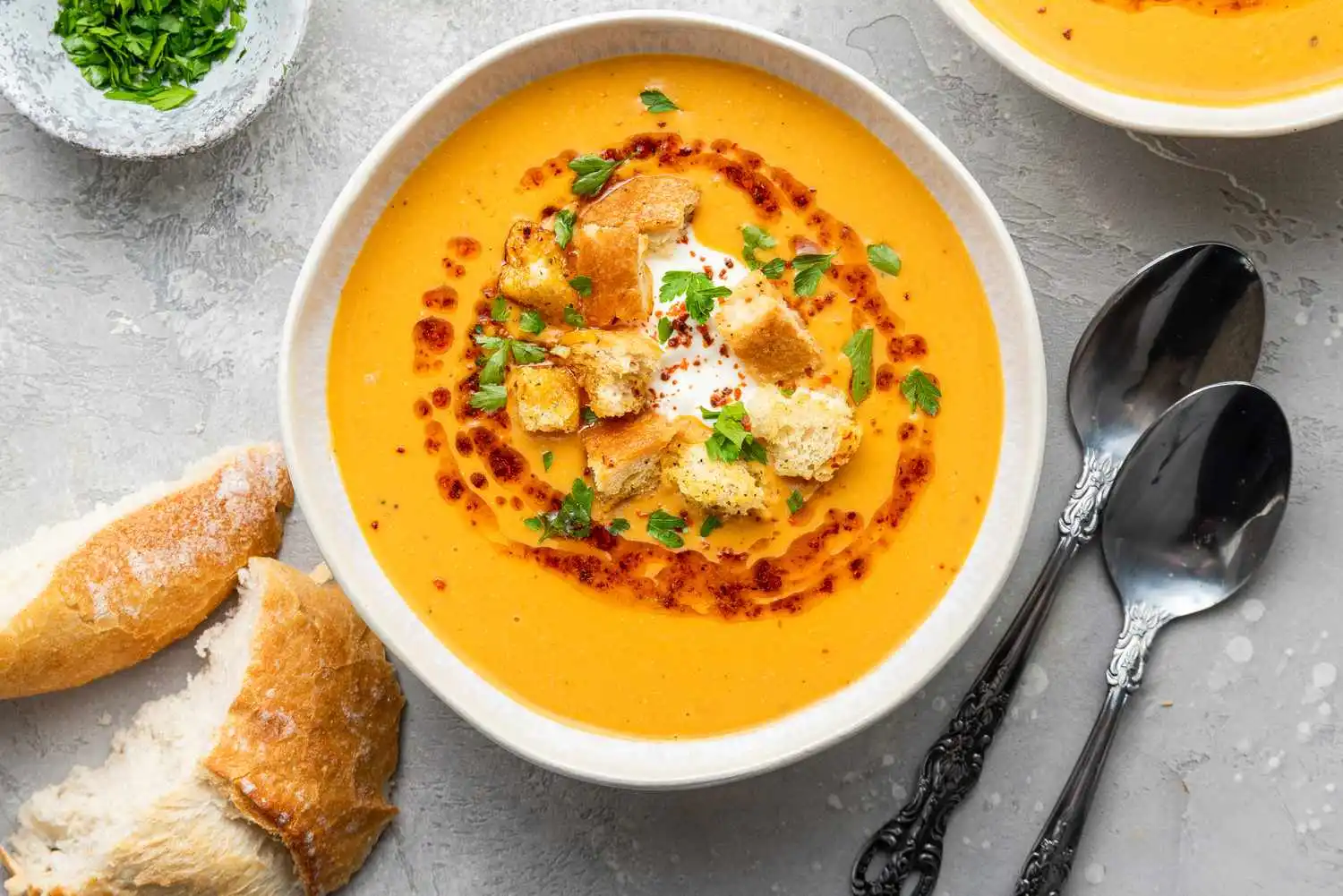
The most common çorba in Turkey.
Ingredients: red lentils, onion, carrot, tomato paste, oil, mint, paprika.
Preparation: vegetables are sautéed, lentils and water or broth are added. Cooked until soft and blended to a creamy texture. Served with lemon.
Ezogelin Çorbası
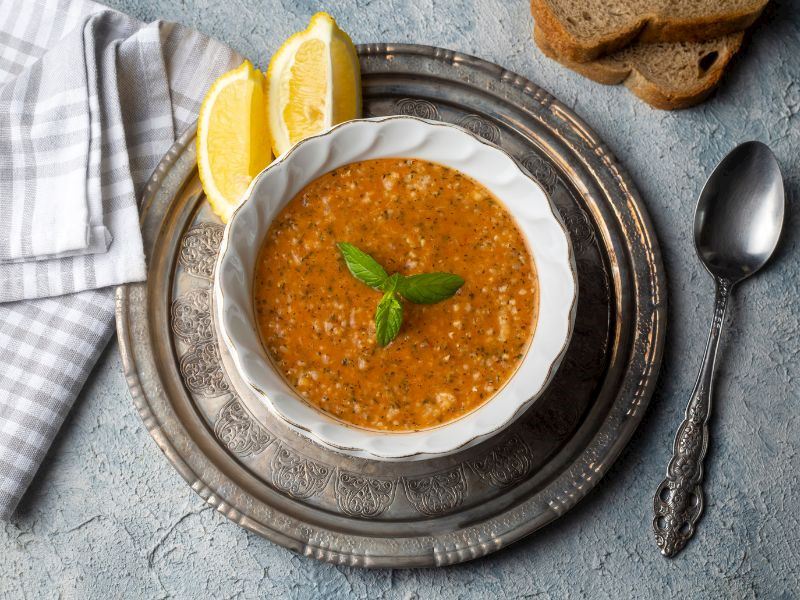
A combination of lentils, bulgur, and rice with a mild spiciness. A denser and more flavorful version of lentil çorba.
Yayla Çorbası (Yogurt)
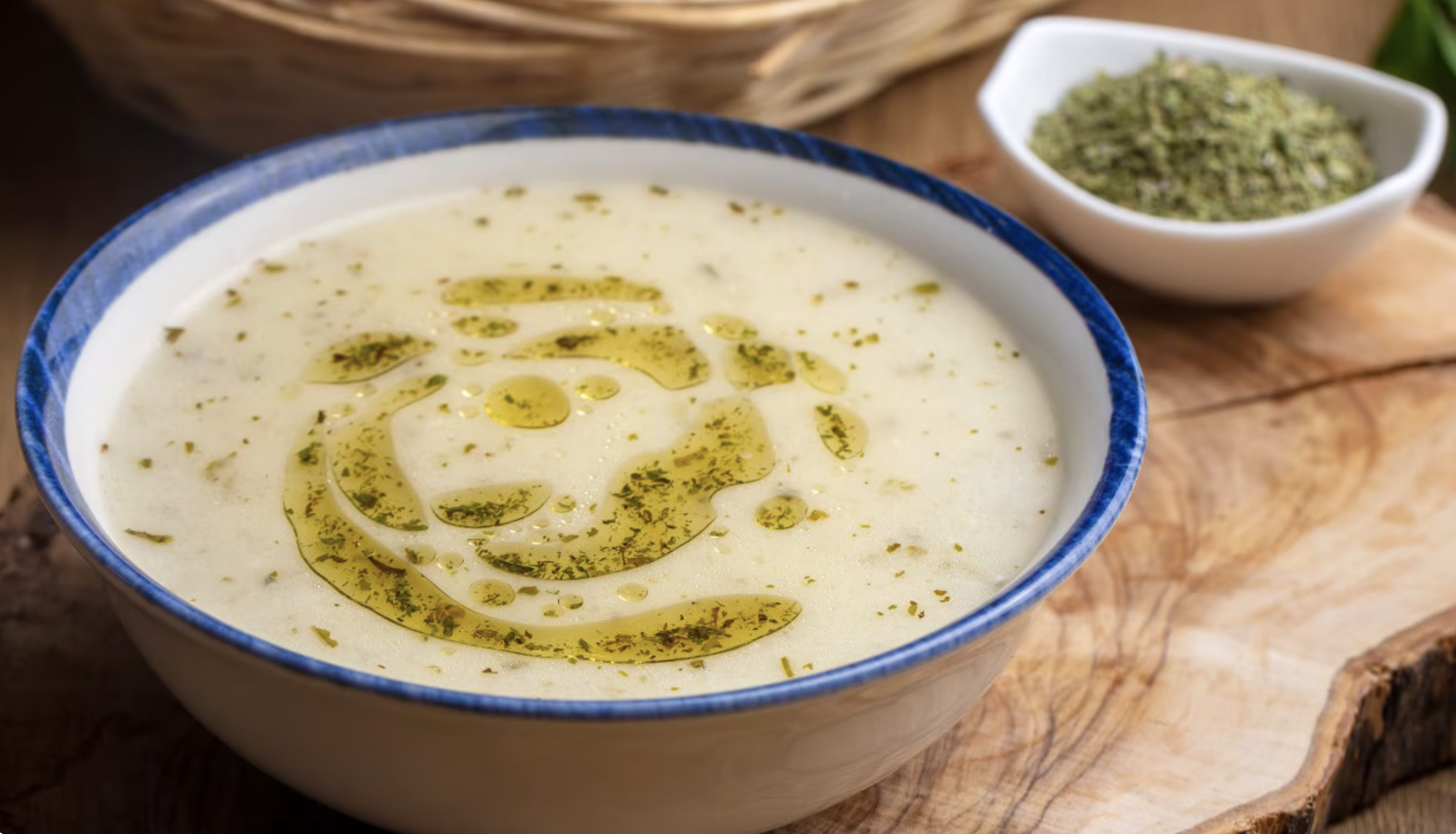
A light white soup based on yogurt and rice.
Considered one of the gentlest on the stomach.
Domates Çorbası (Tomato)
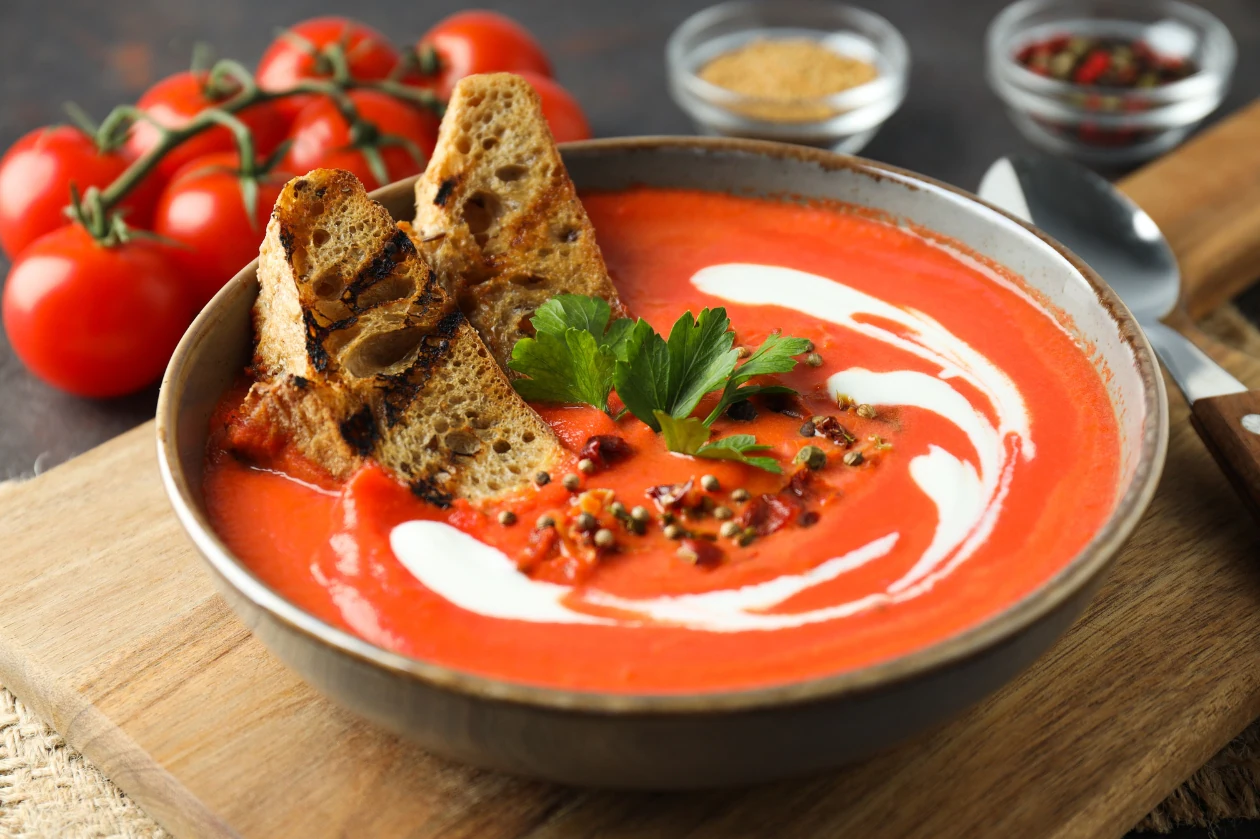
Tomato soup with milk or cream, often served with grated kaşar cheese.
Tarhana Çorbası
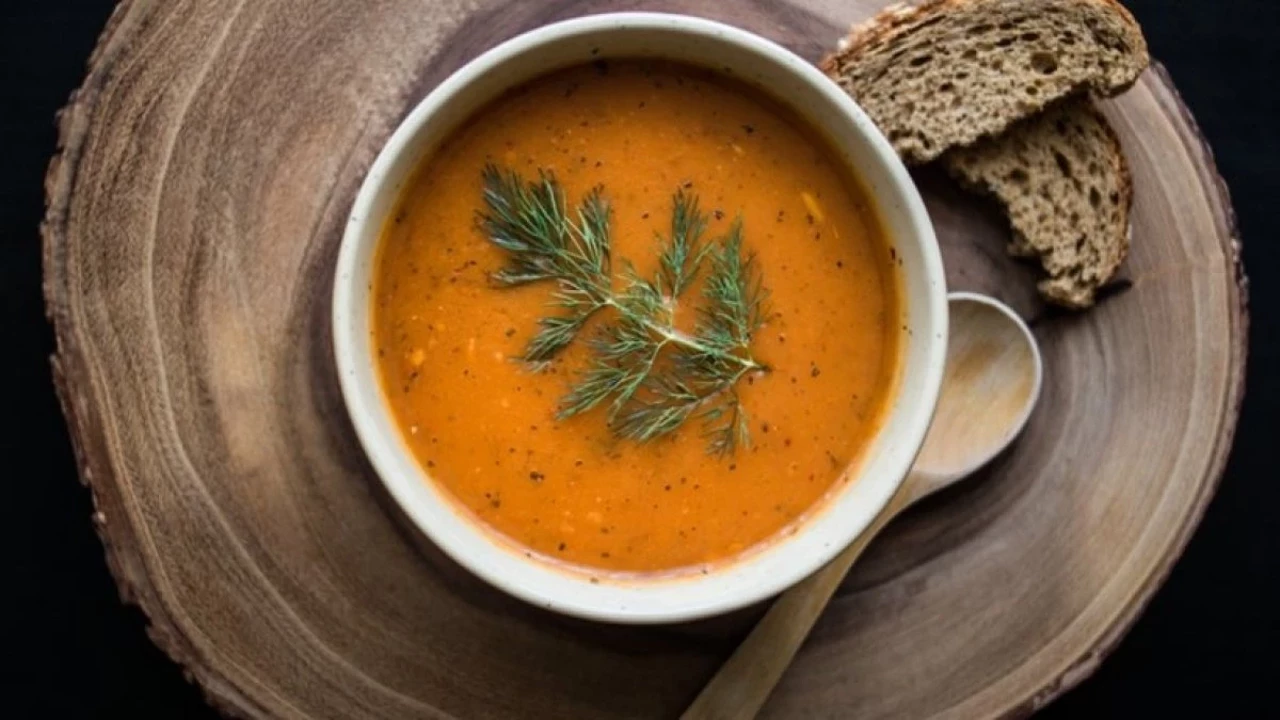
One of the oldest çorbas. Base — a fermented mixture of yogurt, flour, and vegetables.
Rich flavor, slightly tangy.
İşkembe Çorbası (Tripe)
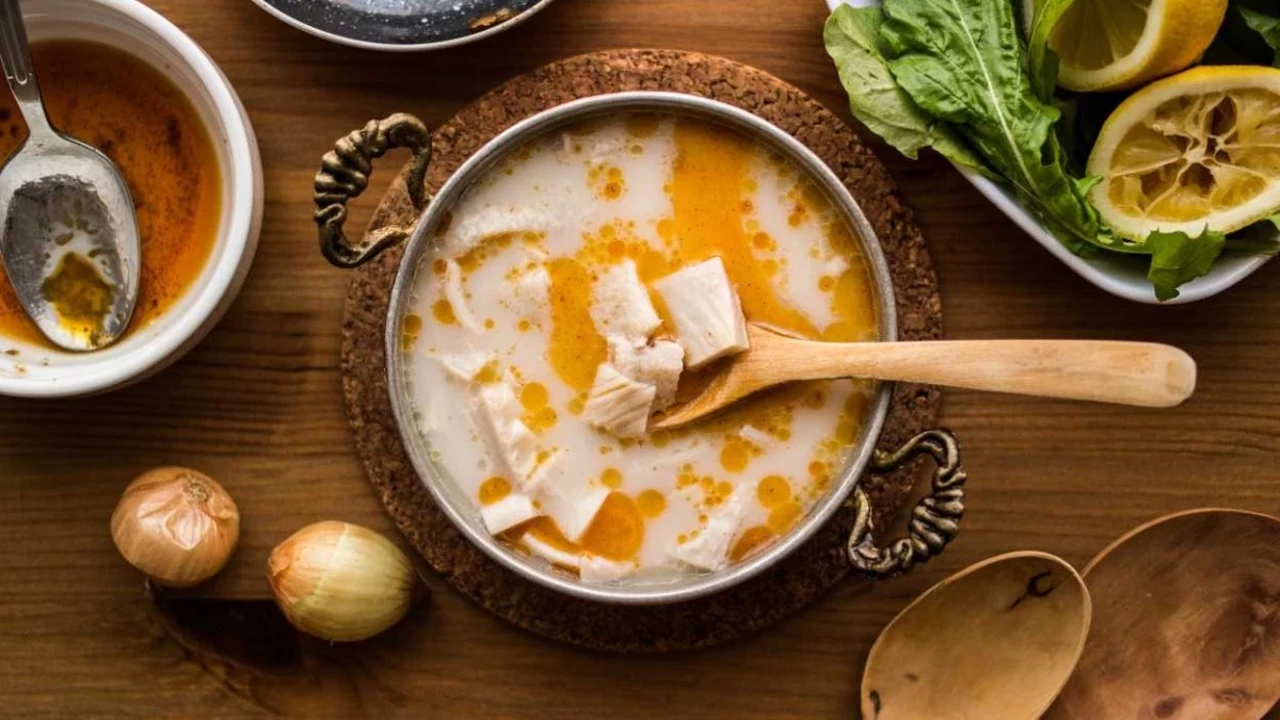
A thick soup made from beef tripe with garlic and vinegar. Especially popular at night.
Has a distinctive aroma and may be unusual for first-time tasters.
🌊 SPECIAL FEATURE: ALANYA GÜLÜKLÜ ÇORBASI
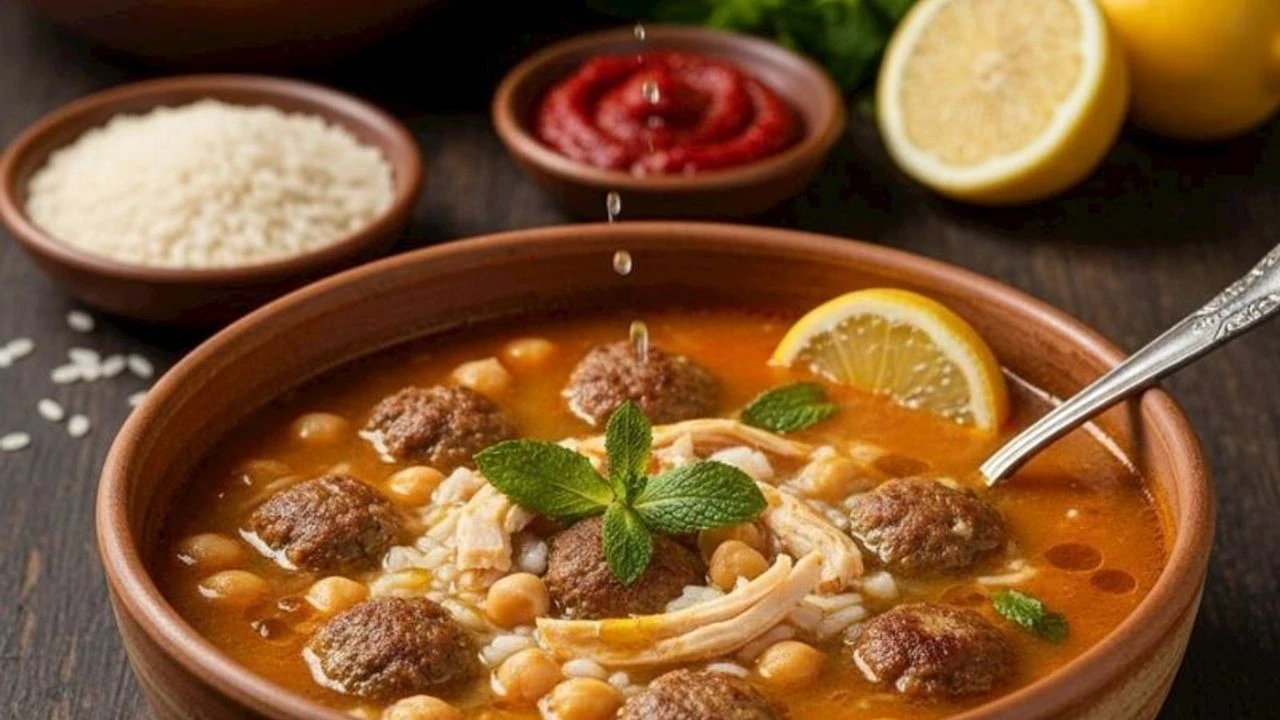
A regional soup from Alanya and Antalya. The name comes from gülük — small meatballs.
Ingredients:
- Small beef meatballs
- Chickpeas
- Yogurt or tomato base
- Spices and herbs
One of the gastronomic symbols of the Antalya–Alanya region.
If you live in Alanya, be sure to try it in local lokanta.
It is believed that çorba originated as a festive dish in Anatolian homes. When large families gathered, housewives made soup with many tiny meatballs so that “every spoon had meat for everyone.”
The small meatballs symbolized abundance and care. The bigger and neater the meatballs, the more generous the table was considered.
Fun fact: meatballs were once rolled by the whole family — women and children sat together and shaped dozens of tiny balls by hand.
That’s why Gülüklü Çorbası was long considered not an everyday dish, but a “special homemade” soup prepared for guests, celebrations, and important family events.
Today, this çorba remains a gastronomic symbol of the Antalya–Alanya region and part of the local culinary identity.
🍖 Other Popular Çorbas
- Düğün Çorbası — wedding lamb soup
- Beyran Çorbası — spicy meat soup from Gaziantep
- Analı Kızlı Çorbası — with large and small meatballs
- Arabaşı Çorbası — served with pieces of dough
- Terbiyeli Köfte Çorbası — with meatballs and lemon dressing
- Lebeniye Çorbası — chickpeas, yogurt, and meat
- Kara Lahana Çorbası — made from black cabbage (Black Sea region)
- Toyga Çorbası — wheat, chickpeas, and yogurt
- Balık Çorbası — fish soup
- Paça Çorbası — made from trotters
🍋 Why is lemon almost always served with Turkish çorbas?
In Turkey, soups are traditionally served with lemon wedges. Fresh lemon juice:
- Adds a light, refreshing acidity
- Enhances the sweetness of vegetables and aroma of spices
- Balances a rich broth or creamy soup texture
- Is considered part of proper soup presentation in Turkish cuisine
Tip: place the lemon in the bowl before serving to preserve its freshness and tangy accent.
When and How Çorba is Eaten in Turkey
- ✔ For breakfast in Anatolia
- ✔ Before kebabs or main courses
- ✔ Late at night in çorbacı
- ✔ When someone has a cold
- ✔ In hospitals and at home
Why Turkish Çorbas are Special
- Simple ingredients
- Many yogurt-based soups
- Fermentation and broths are often used
- Lemon is almost always served
- Balance of heartiness and lightness
Turkish çorba is more than just soup. From the light yayla to the rich gülüklü, it reflects the regions, traditions, and climate of the country.


