















2026 Turkey Guide: New Rules for Residence & Real Estate

Turkey in 2026: A Definitive Shift to Formality and Transparency
The question “What changed in Turkey in 2026?” has surged in searches for a compelling reason: the country has undergone a systemic transition. It hasn't closed its doors but has decisively moved towards a more formal, transparent, and predictable system for foreigners and investors alike. The era of reliance on grey practices and informal agreements is fading, replaced by clearer, stricter rules. This guide details the essential changes for anyone considering relocation, investment, or life in Turkey.
Why This Information is Critical For You
This analysis is indispensable if you:
- Plan to relocate to cities like Antalya, Alanya, Istanbul, or Bodrum.
- Intend to buy property for residence or investment.
- Are applying for a Turkish residence permit (ikamet).
- Rent out property or invest in the rental market.
- Consider Turkish citizenship by investment and need clarity on requirements, timelines, and risks.
Key Figures for Turkey in 2026: The Essential Data
The following benchmarks are crucial for realistic financial and life planning in Turkey today.
| Indicator | Value (2026) | Why It Matters |
|---|---|---|
| Capital gains tax exemption (sale before 5 years) | 150,588 TL | Affects tax calculation when reselling property |
| Land registry fee (Döner Sermaye) Turkish ↔ Foreigner | 27,549 TL | Mandatory TAPU fee often missed in budgeting |
| Land registry fee Foreigner → Foreigner | 55,098 TL | Especially important for secondary market deals |
| Legal rent increase limit (from Jan 2026) | 34.88% | Any higher increase is illegal |
| Minimum wage (net) | 28,075 TL | Indirectly affects service and labor costs |
| “Poverty threshold” (family of 4) | 98,188 TL | Realistic cost of living benchmark |
| Online shopping duty-free limit | €30 limit abolished | Most parcels now taxed, affecting relocation budgets |
1. Residence Permit (Ikamet) in 2026: Universal Formalization
.jpeg) The process is now defined by stringent verification, applied equally to all nationalities without discrimination.
The process is now defined by stringent verification, applied equally to all nationalities without discrimination.
What Became Stricter:
- Address Verification: Actual residence, document consistency, and utility records are closely checked.
- Financial Scrutiny: Increased attention on income, bank balances, and the source of funds.
- Documentation Cleanliness: Flawless rental contracts, property deeds, health insurance, and payment records are paramount.
Important: This is not targeted at specific nationals. It's a systemic shift toward compliance for everyone.
2. Banking & Money: The End of Grey Schemes
Banking compliance is now the unequivocal standard. This translates to:
- Banks routinely asking for explanations and proof of origin for large transfers.
- Cash deposits triggering audits on income legitimacy.
- A strong push toward cashless payments, especially in real estate.
Why This is Positive: For legitimate investors, this creates a safer environment with fewer questionable schemes and easier protection through proper documentation.
3. Real Estate in 2026: Maturity and Buyer Protection
 The market has matured, focusing on sustainability over speculation.
Key Changes:
- Due Diligence is King: Buyers now deeply scrutinize legal status, building management fees, and neighborhood dynamics.
- Demand Shift: Preference for completed projects or developers with proven delivery histories.
- Transparency in Payments: While cash purchases aren't banned, transparent and verifiable fund sources are the clear direction.
4. Taxes & Fees in 2026: The Often-Forgotten Details
4.1. Capital Gains Tax (Değer Artış Kazancı Vergisi)
If you sell a property within 5 years of purchase, profit is taxed after deducting documented expenses and the annual exemption (150,588 TL in 2026).
Smart Strategy: Buy → hold for 5+ years → sell exempt from capital gains tax.
4.2. The Critical Land Registry Fee (Döner Sermaye)
A common budget-killer. Beyond the 4% title deed tax, you must account for Döner Sermaye.
- Turkish → Turkish: 6,681 TL
- Turkish ↔ Foreigner: 27,549 TL
- Foreigner → Foreigner: 55,098 TL
5. Rental Market in 2026: The Cap is Law
The maximum allowable rent increase for 2026 is 34.88%. Any increase above this is illegal.
This shifts investor focus to property fundamentals—location, demand, and professional management—over aggressive annual hikes.
6. Life in Turkey 2026: Real Costs & Everyday Shifts
Planning your budget requires current data:
- Minimum living cost (1 working person): ~39,123 TL/month.
- Comfortable family of four budget: Starts from the "poverty threshold" of ~98,188 TL.
Major Daily Change: The €30 duty-free limit for online shopping is gone. Most parcels now incur customs duty (30-60% + possible ÖTV), affecting budgets for furniture, appliances, and personal imports.
7. Alanya's Transformation: From Resort to Year-Round City
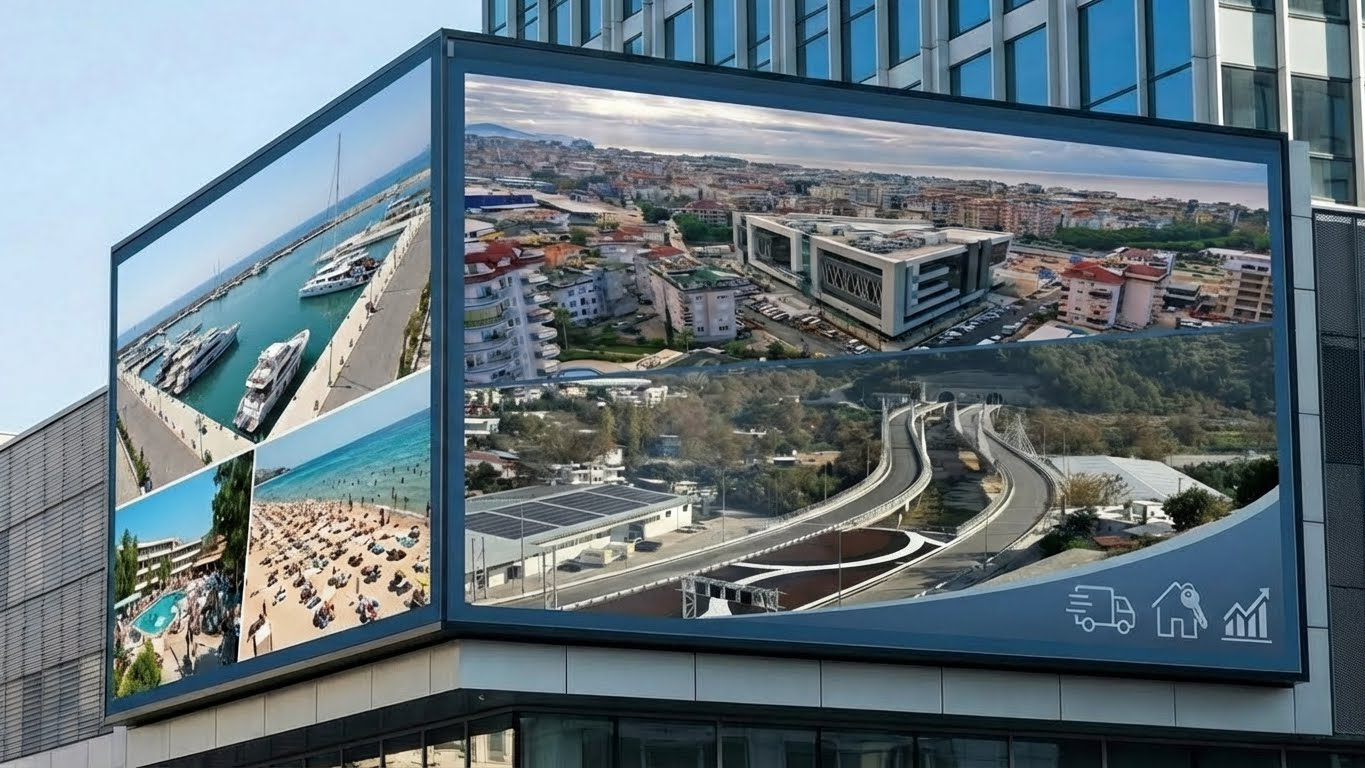 One of 2026's strongest trends is Alanya's evolution into a full-fledged living destination.
What Changed Rapidly:
- Urban Core: Renewed squares, new municipal buildings, social spaces.
- Major Infrastructure: New 15km eastern bypass road, highway projects, upgraded industrial zone.
- Utilities: Expanded natural gas network, modernized water and sewage systems.
- Gazipaşa Growth: New promenades, marina, and airport expansion reinforcing the region.
8. The Professional Partner in a Mature Market
In 2026, choosing an agency is about risk reduction. With over 20 years in the market, a portfolio of 20,000+ properties, and a reputation built by figures like Nihat Tufan, the value proposition has shifted from simple listing access to being a liquidity and risk filter for systematic buyers.
Final Conclusion: Navigating the New Turkey
Turkey in 2026 represents a mature market entry. Risks are lower for the prepared and higher for the impulsive.
The Optimal Strategy Now:
- Define a clear goal (residence, investment, citizenship).
- Calculate the full budget, including all fees (like Döner Sermaye).
- Act officially and document everything meticulously.
- Focus on liquid districts and transparent property management.


