
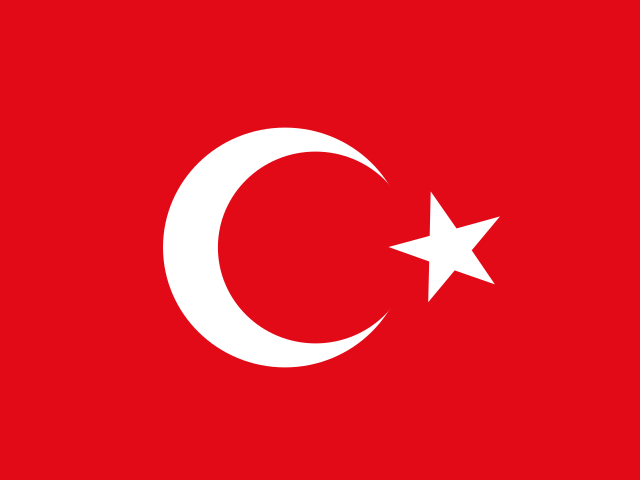














Experiencing Ramadan in Turkey: Customs, Foods, and Community

Experiencing Ramadan in Turkey: Customs and Community
Introduction
Ramadan is observed by the majority of Turkey's population. It is a time of fasting, prayer, and community. Throughout the holy month, the rhythm of daily life shifts to accommodate spiritual reflection and communal gatherings.
From the pre-dawn echoes of the drummers to the evening cannon fire signaling Iftar, Ramadan in Turkey engages all the senses.
Daily Practices
- Fasting lasts from dawn to sunset; during this period, Muslims abstain from food and drink
- Suhur is the pre-dawn meal that sustains fasting throughout the day
- Iftar is the meal to break the fast after sunset, often beginning with dates and water
- Mosques call people to prayer five times a day, with special Taraweeh prayers held in the evenings
In Turkish cities, the approach of Iftar brings a noticeable calm as streets empty and families gather around tables laden with food, waiting for the call to prayer.
Traditional Foods During Ramadan
Ramadan in Turkey has its own distinctive culinary traditions that appear only during this holy month:
- Iftar meals often include dates, lentil soup, and special Ramadan bread
- Pide — a soft, flatbread traditionally baked only during Ramadan, topped with sesame seeds or black cumin
- Güllaç — a light dessert made with milk, rose water, and pomegranate, perfect after fasting
- Other favorites include lamb dishes, stuffed vegetables, and various böreks
Streets and bazaars transform during Ramadan, with special stalls offering freshly baked pide, traditional sweets, and dates of every variety. The air fills with aromas unique to the holy month.
Community and Charity
Ramadan emphasizes helping others. Many Turks donate food or money to the needy. This spirit of generosity manifests in several ways:
- Zakat — obligatory charity, often given during Ramadan for maximum blessing
- Fitre — special Ramadan charity given before Eid prayers
- Free Iftar tents set up by municipalities and wealthy individuals, open to anyone regardless of faith or background
- Food packages distributed to disadvantaged families before the month begins
Families and neighbors often gather for communal Iftar meals, strengthening social bonds. In many neighborhoods, long tables are set up where everyone is welcome to break bread together.
Ramadan Traditions Across Turkey
Ramadan Nights
After Iftar, Turkish cities come alive with activity that continues late into the night:
- Historic mosques draw crowds for Taraweeh prayers
- Cafés and restaurants stay open late, serving special Ramadan beverages like şerbet
- Shopping districts remain crowded, with many stores offering extended hours
- Entertainment programs and religious talks fill television schedules
Festive End: Eid al-Fitr
Ramadan concludes with Eid al-Fitr, known in Turkey as Şeker Bayramı — the Sugar Holiday — celebrated with:
- Special morning prayers at mosques, with congregations spilling into streets
- Elaborate sweets and desserts, especially baklava and Turkish delight
- Family visits, where children kiss elders' hands as a sign of respect and receive candy or money
- New clothes worn by many, especially children
- Charity giving ensures even the poorest can celebrate
The first day of Eid brings a festive atmosphere to every corner of Turkey, with streets filled with families walking between visits, children in their finest clothes, and the air thick with the scent of holiday sweets.
Visiting Turkey During Ramadan
For non-Muslim visitors, experiencing Ramadan in Turkey offers unique cultural insights:
- Many restaurants remain open during the day, especially in tourist areas
- Visitors are welcome at Iftar tents, offering a chance to break fast with locals
- Evening atmosphere in historic districts is especially vibrant
- It is polite to avoid eating, drinking, or smoking in public during fasting hours out of respect
Ramadan 2026 dates (expected): February 19 – March 20 | Eid al-Fitr: March 21-23
Conclusion
Ramadan in Turkey blends faith, culture, and community, offering visitors a unique opportunity to experience Turkish traditions and hospitality. From the shared anticipation before Iftar to the joyous celebrations of Eid, the holy month reveals the warmth and generosity at the heart of Turkish society.
Ramazanınız mübarek olsun — May your Ramadan be blessed.


