






Expat Life in Turkey: How to Adapt to the Culture and Daily Life

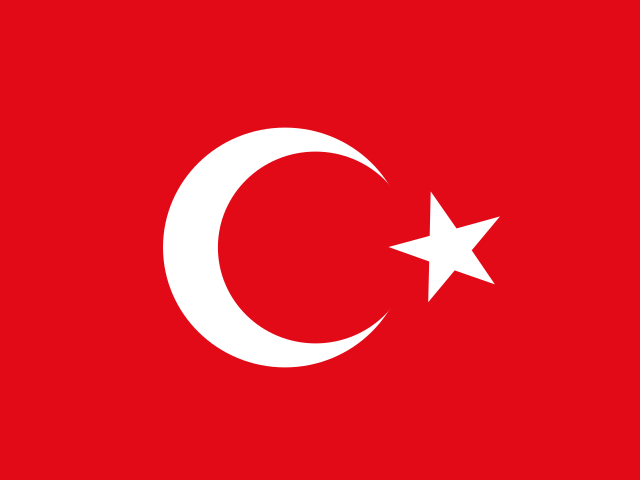
🇹🇷 Expat life in Turkey: how to adapt to the culture and daily life
Moving to Turkey can be an exciting adventure. With its warm climate, rich history, delicious cuisine, and welcoming people, the country attracts many European and English‑speaking expats. However, to feel comfortable and integrate smoothly, it’s important to understand local culture and daily routines.
🗣️ 1. Language matters
Turkish is the official language and dominates everyday life.
English is widely spoken only in tourist hotspots and some larger cities like Istanbul, Antalya, and Izmir. Outside these areas, especially in smaller towns and rural regions, English is limited.
Many expats report that without knowing Turkish, it can be challenging to communicate with neighbors, handle government paperwork, or even shop at local markets.
Learning even basic phrases such as Merhaba (Hello), Teşekkür ederim (Thank you), or Bu ne kadar? (How much is this?) can make interactions smoother and earn respect from locals.
📘 Tip: consider a Turkish language course before or soon after your move
🤝 2. Understanding local culture
Turkish culture is deeply rooted in hospitality, respect for elders, and strong social ties.
- Greetings: A handshake is common; among close friends and family, light cheek kisses or hugs are normal.
- Social norms: Loud public arguments or visible frustration are frowned upon. Patience and politeness go a long way.
- Dress code: In cities and tourist areas, casual Western clothing is fine. However, when visiting rural areas or religious sites, it’s respectful to cover shoulders and knees.
Participating in daily social routines, like sharing tea (çay) with neighbors or visiting local markets, helps expats feel more connected to the community.
🍵 çay culture · hospitality · neighbourly bonds
📅 3. Holidays and traditions
Turkey observes both national and religious holidays, which can affect daily life:
- Ramadan: A month‑long Islamic fasting period. Many restaurants close during the day, but expats are not expected to fast. Showing respect, for example by eating discreetly in public, is appreciated.
- Republic Day (Oct 29): parades, concerts, and public celebrations.
- Victory Day (Aug 30): usually marked by local events and flag displays.
Attending local festivities is a great way to experience Turkish culture first‑hand.
🛒 4. Daily life and practical tips
- Shopping and markets: Fresh fruits, vegetables, and local products are often cheaper at markets (bazaars) than in supermarkets. Bargaining is common and culturally acceptable.
- Transportation: Public buses, minibuses (dolmuş), and trams are common in cities. Rush hour can be crowded, so plan accordingly.
- Neighbors and community: Maintaining friendly relations with neighbors, especially in smaller towns, can significantly ease daily life.
🌱 5. How to adapt successfully
- Learn Turkish basics – even a few phrases make a big difference.
- Engage socially – join expat groups, local clubs, or language meetups.
- Observe and respect local customs – small gestures of cultural understanding go a long way.
- Be patient – adaptation is gradual. Expect challenges, especially with bureaucracy and communication.
- Participate in local life – attending festivals, tea gatherings, or simply walking in your neighborhood helps you integrate faster.
📌 Bottom line
- ✓ Turkey is welcoming and vibrant, but its culture and language require effort to understand.
- ✓ English is helpful but limited outside tourist areas.
- ✓ Language, social engagement, and respect for local customs are key to a smooth adaptation.
- ✓ Adapting takes time, patience, and active participation — but the reward is a rich, immersive expat experience in a beautiful country.
“The first year is the hardest – but once you start sharing çay with your neighbors, you realize you’re no longer a guest.”
⚠️ bureaucracy can be slow – patience and a translator app help
© 2026 – expat guide Turkey · culture & daily life · published feb 2026
🗣️ start with Merhaba – it opens doors


