















Ancient Cities and Byzantine Heritage of Turkey: A Journey Through the Ages

🏛️ Ancient cities and Byzantine heritage of Turkey: a journey through the ages
Turkey is a country where the past literally comes alive at every step. Stones of ancient streets, mosaics of Byzantine churches, and ruins of Roman amphitheaters tell stories spanning millennia. From majestic ancient cities to Byzantine fortresses, every corner of the country holds its secrets, and even a simple walk feels like a journey through time.
📜 open‑air museum: 13.000 years of history visible today
🏺 Ephesus: the city where legends live
Ephesus is one of the jewels of the ancient world, once a major center of trade and culture in Asia Minor. Today, visitors are amazed by the grandeur of its amphitheater, which could hold up to 25,000 spectators, and the Library of Celsus, where the spirit of ancient knowledge still lingers among the ruins.
But Ephesus is not just about architecture. Legends of the goddess Artemis, the city’s protector, continue to inspire visitors. It is said that the Temple of Artemis was one of the Seven Wonders of the Ancient World. Though only part of its columns remain today, its grandeur is felt throughout the city. Walking along the ancient streets, one can almost hear the bustle of the marketplace, smell the aromas of spices, and imagine the footsteps of philosophers and merchants who once walked here.
🏛️ Library of Celsus · 25,000‑seat theatre · Temple of Artemis (7 wonders)
📿 Perge and lesser‑known ancient cities
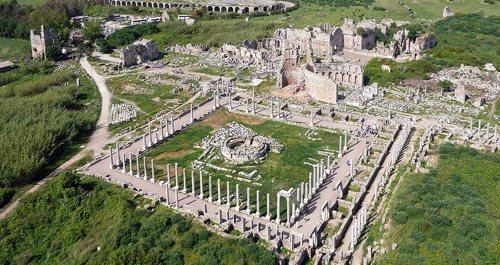
If Ephesus impresses with its scale, Perge fascinates with its details. This city near Antalya has preserved its theaters, city gates, and Roman baths. Each column seems to tell a story of Roman life: meetings at the forum, sporting events, and bathing rituals.
Lesser‑known ancient cities in Turkey, such as Lystra or Side, offer travelers a unique experience — fewer crowds but just as impressive. Here, hidden temples, artifacts, and stories of heroes from Greek epics seem to come alive amidst stone ruins.
🔍 Side, Lystra, Myra, Kaunos – less crowded, equally magnificent
 ⛪ Byzantine heritage: churches, fortresses, and mosaics
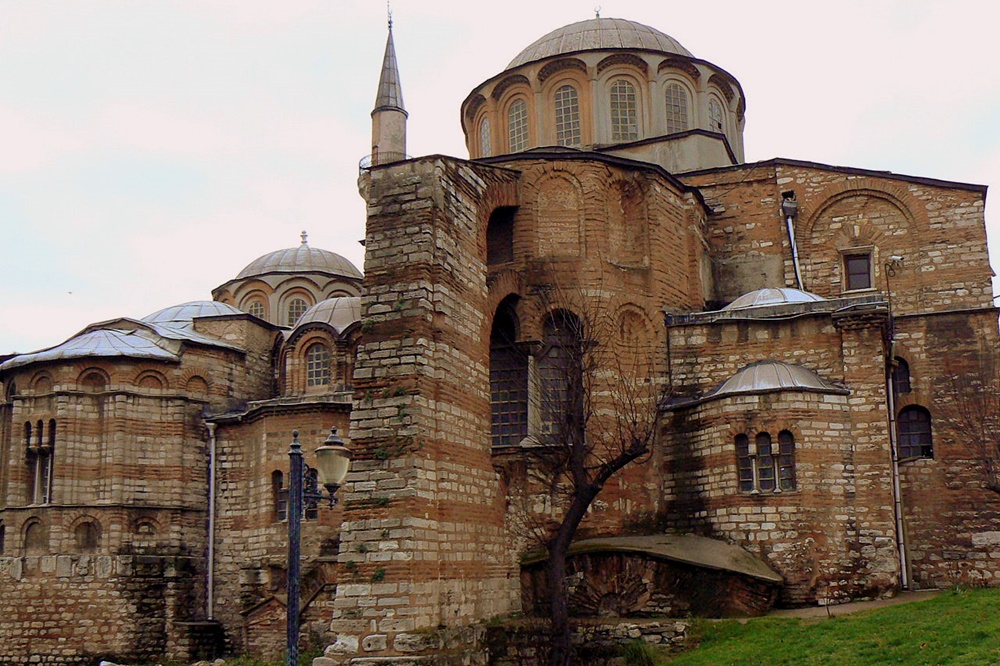
After antiquity, Turkey became part of the Byzantine Empire, and traces of this era still amaze visitors. Byzantine churches with frescoes and mosaics, massive fortresses, and the walls of Constantinople all testify to the empire’s power and wealth.
The walls of Istanbul are particularly impressive. These massive fortifications protected the city for centuries, and today tourists can walk along the ancient stones, feeling a tangible connection to the past. In smaller towns, such as Trabzon or Antalya, Byzantine churches and monastery ruins tell the story of spiritual life and the people’s pursuit of beauty and eternity.
Archaeological discoveries continue even in modern cities. Coins, fragments of mosaics, and frescoes found during excavations allow us to reconstruct the appearance of ancient streets and houses. Each artifact is a small key to understanding how people lived, what they believed in, and what values they held dear.
⚠️ many Byzantine frescoes need conservation – fragile heritage
⏳ a journey through the ages
Visiting Turkey’s ancient and Byzantine monuments is more than just a tour — it is a true journey through time. Every city, every column, and every mosaic tells its own story, and legends and myths make them come alive.
For history enthusiasts, one tip: plan your trips in advance and consider local guided tours to hear the legends and details not found in books. Wear comfortable shoes — many ruins require walking — and visit in spring or autumn, when the weather is perfect for exploring.
- ✓ comfortable walking shoes (ancient stone streets)
- ✓ spring/autumn visits (avoid scorching heat)
- ✓ local guide for legends behind ruins
- ✓ camera for mosaics and panoramic views
- ✓ water and sun protection (shade is rare)
✨ Conclusion
Turkey’s ancient cities and Byzantine heritage are not just ruins. They are a living, open‑air museum where history meets the present. Walking along ancient streets, listening to legends, and observing artifacts allows you to feel the breath of the past and see how millennia of civilizations shaped this extraordinary country.
“Every stone in Anatolia whispers a story – from Hittite tablets to Byzantine chants. You just need to listen.”
📆 millennia at a glance
🏛️ 3000 BCE – Hittite 🏺 1000 BCE – Greek & Roman ⛪ 330 – 1453 CE Byzantine 🕌 after 1453 Ottoman
📌 recommended: Ephesus (2 days), Perge (1 day), Istanbul Byzantine walls (half day)
© 2026 – heritage guide · ancient cities & byzantine turkey · published feb 2026
🎧 local guides reveal stories not found in guidebooks


