















Everyday Turkish Superstitions and Beliefs: What You'll Notice in Daily Life

Everyday Turkish Superstitions and Beliefs: What You'll Notice in Daily Life
Turkey is a country full of charm, history, and colorful traditions. While modern life moves fast in cities, many age-old superstitions and beliefs continue to shape the daily habits of locals. For travelers and expats, noticing these small rituals can make life in Turkey more authentic and enjoyable.
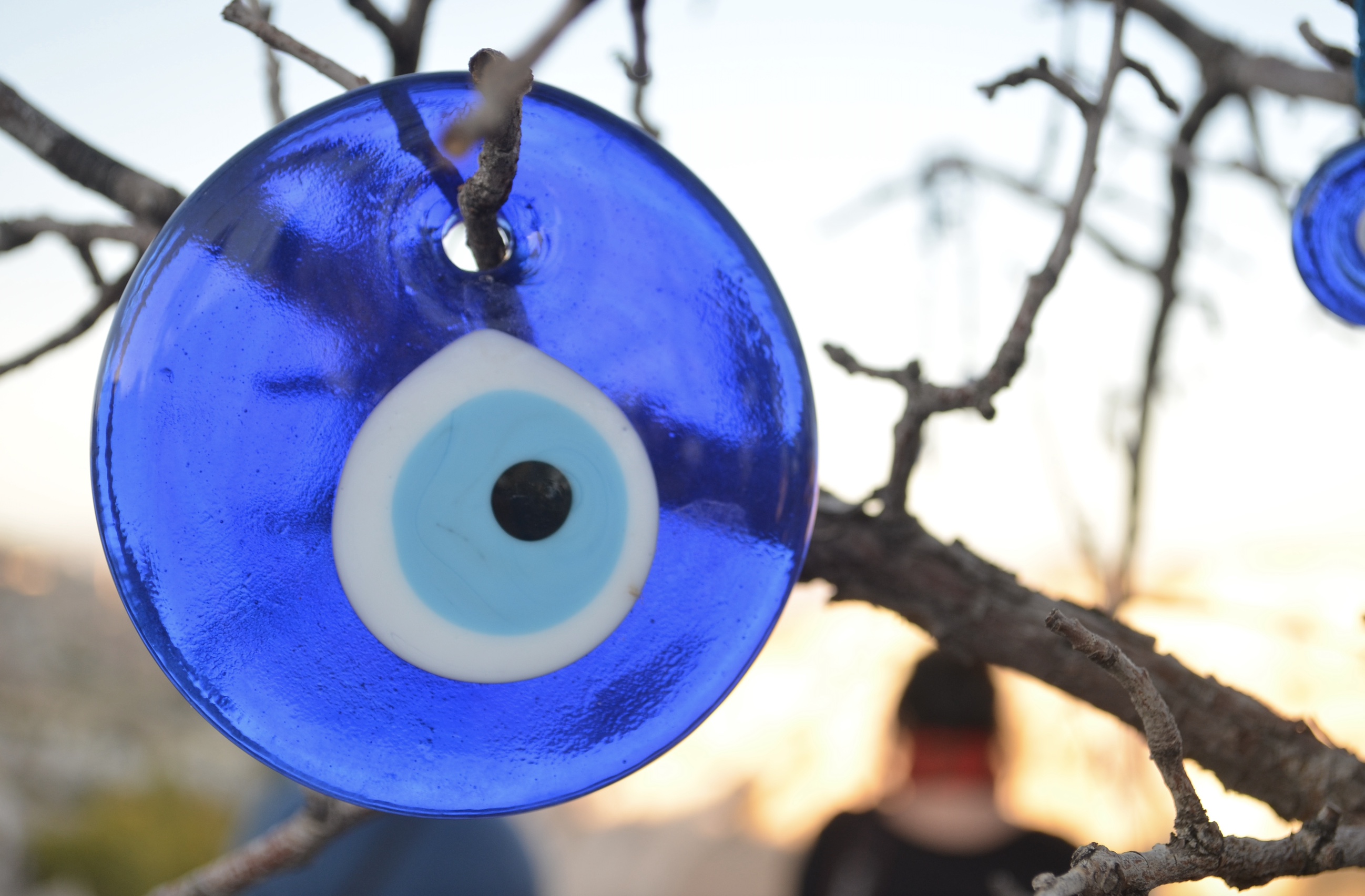 1. The Evil Eye (Nazar Boncuğu)
The most famous Turkish superstition is the evil eye, or nazar boncuğu. You'll see blue glass charms everywhere — on houses, in shops, in cars, and even on jewelry. It's believed to protect against bad luck or envy from others. Locals often touch the charm or point to it when talking about misfortune.
2. Knocking on Wood
Just like in many cultures, Turks knock on wood (tahtaya vurmak) to prevent bad luck after saying something positive. For example, after saying "My family is healthy," you might notice someone touching a wooden surface lightly to avoid tempting fate.
3. Stepping Over Children
A common household belief is not to step over children. Parents and visitors are careful not to step over a child lying on the floor, as it's believed it can stunt their growth or bring bad luck.
4. Spilling Salt
Spilling salt is considered unlucky in Turkey, just as in many other countries. Some locals immediately throw a pinch of the spilled salt over their left shoulder to ward off evil spirits.
5. Whistling Indoors
In Turkish superstition, whistling indoors is thought to attract bad luck or even evil spirits. Many families discourage whistling inside the home, especially at night.
6. Pregnant Women and Superstitions
Pregnancy is accompanied by many beliefs. For example, avoiding pointing at the moon or not cutting hair or nails at certain times is said to protect the baby from harm. These traditions are observed more in smaller towns and rural areas.
7. Lucky Signs in Daily Life
Turks also pay attention to positive signs, such as:
- Horseshoes above doors for luck
- Seeing a ladybug being good luck
- Finding a four-leaf clover
Even in cities, these small rituals are common in homes, offices, and shops.
"While modern life moves fast in cities, many age-old superstitions and beliefs continue to shape the daily habits of locals."
Conclusion
While modern Turkey is urban, fast-paced, and tech-savvy, superstitions remain a lively part of everyday life. Observing these traditions gives travelers and expats a deeper understanding of Turkish culture and a chance to connect with locals on a more authentic level. From the ubiquitous evil eye to small household rituals, these beliefs color daily routines in ways you might not notice at first.
Cultural insight: Many Turkish superstitions have roots in ancient Anatolian traditions, Ottoman customs, and Islamic folk beliefs, blending together to create a unique cultural tapestry.
Turkish Superstitions at a Glance
- Nazar Boncuğu: Blue charm against evil eye
- Tahtaya vurmak: Knock on wood after positive statements
- Don't step over children: Believed to stunt growth
- Spilled salt: Throw over left shoulder
- No whistling indoors: Attracts bad luck
- Pregnancy taboos: Avoid moon, haircuts
- Lucky signs: Horseshoes, ladybugs, four-leaf clovers
Publication status: This article is complete and ready for publication. All information is based on the provided text. No placeholders, deletions, or alterations of meaning have been made.


